home > services > wildlife & environmentally friendly gardening


Wildlife and Environmentally Friendly Gardening

Wildlife and environmentally friendly gardening has lots of benefits.

Increasing biodiversity in your garden will provide a home and food for an abundance of creatures that will eat your garden pests and pollinate your plants to increase harvests.

These creatures are also a joy to watch and listen to. Buzzing bees and bird song on a sunny day are heavenly.

You may want to consider some of the steps on this page which will encourage more wildlife to your garden.

The Garden Guru can help you to put these measures in place, and can also offer advice on all aspects of wildlife and environmentally friendly gardening.

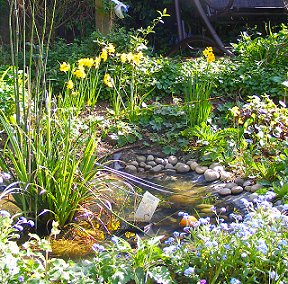


A wildlife pond can attract many
beneficial visitors to your garden.


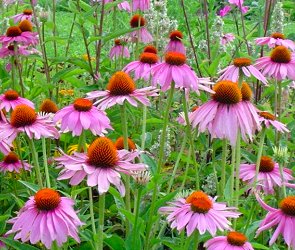
Bees love nectar-rich flowers
such as Echinacea.


  • Encourage pollinating insects by planting nectar rich flowers. Single, rather than double, flowers are a better choice or use complex flowers or 'pincushions' e.g. Echinacea and Rudbeckia. Many bee species are in decline and need a helping hand.
  • Provide water for birds and other creatures to drink.
  • Put up nest boxes for birds facing east or north.
  • Provide food for birds in feeders hung from locations that cats can’t access.
  • Make a butterfly drinker to encourage these beautiful creatures to your garden.
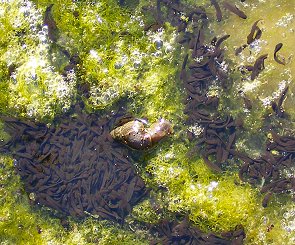
  • Establish a pond to encourage frogs and other wildlife. Frogs are a great natural way to keep slugs and snails at bay. Even a submerged bucket will do the trick. The sides need to be shallow or have stones in to allow creatures to enter and leave the water. Thaw ice in winter by placing a pan of boiling water on the surface of the ice or toxins will build up and kill hibernating male frogs.
  • Use environmentally friendly garden fertilisers, sprays and other products.


Masses of tadpoles hatch in
early spring


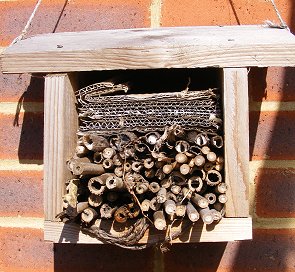
A bug hotel can easily be made using
bamboo cane and corrugated card.
  • Make a bug hotel for insects to hibernate over winter. Bamboo canes tied together, a few old logs in the corner of a garden, or seed heads left on perennial plants all help. Ladybirds eat lots and lots of plants-munching aphids.
  • Try composting to recycle uncooked vegetable peelings and garden waste and grass clippings. It's a good way to enrich garden soil and give stronger, more free-flowering plants.
  • Conserve water by installing a water butt. It will also reduce your water bills. Plant drought tolerant plants – usually ones with silver foliage, and those with small or spiky leaves.


© Copyright 2012 Garden Guru